

Team Building Weekends: Creative Ideas for Stronger Teams
Team Building Weekends: Creative Ideas for Stronger Teams
A team does not always have the opportunity to step away from the office, forget about everyday deadlines, and focus entirely on communication and collaboration. Team building weekends provide an opportunity to do exactly that.

Whether you are organizing a company retreat, leadership event, corporate getaway, or informal team experience, team building weekends can help employees connect outside their usual work environment. When carefully planned, a weekend experience can combine relaxation, entertainment, communication exercises, problem solving, and professional development.
The best team building weekends are not simply about filling a schedule with activities. They create opportunities for employees to understand one another, develop trust, communicate differently, and return to work with stronger relationships.
What Are Team Building Weekends?
Team building weekends are company or group experiences that take place over a weekend and are designed to encourage teamwork, communication, collaboration, and connection.
Unlike a short activity during a normal workday, a weekend event gives teams more time to participate in different experiences.
A weekend programme might include:
Team challenges
Outdoor activities
Problem-solving exercises
Mentalism workshops
Creative challenges
Leadership activities
Group dinners
Informal social events
Communication workshops
Interactive entertainment
The activities can be structured around the goals of the organization.
Why Choose Team Building Weekends?
One of the biggest advantages of team building weekends is the opportunity to remove employees from their normal routines.
At work, people often interact with the same colleagues, follow familiar processes, and concentrate on specific responsibilities. A different environment can encourage employees to communicate with people they may not normally work with.
This can help teams develop:
Stronger relationships
Better communication
Greater trust
Improved collaboration
Creative thinking
Problem-solving skills
Leadership abilities
Greater workplace connection
A weekend away can also give employees the chance to interact more casually, which can strengthen relationships that later benefit the workplace.
Planning a Successful Team Building Weekend
Good planning is essential for team building weekends.
Before choosing activities, organizers should decide what they want employees to get from the experience.
Is the main objective to improve communication? Build relationships? Develop leaders? Reward employees? Encourage creativity? Introduce a new company culture?
Once the objective is clear, activities can be selected accordingly.
For example, a company trying to improve communication might include interactive communication exercises. A leadership-focused weekend might include problem-solving challenges where participants have to take responsibility and make decisions.
The programme should have a clear purpose rather than simply including as many activities as possible.
Include Unusual Team Building Activities
Traditional team-building exercises can be useful, but team building weekends can become more memorable when they include something unexpected.
Mentalism is one example.
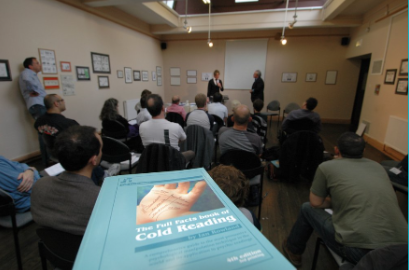
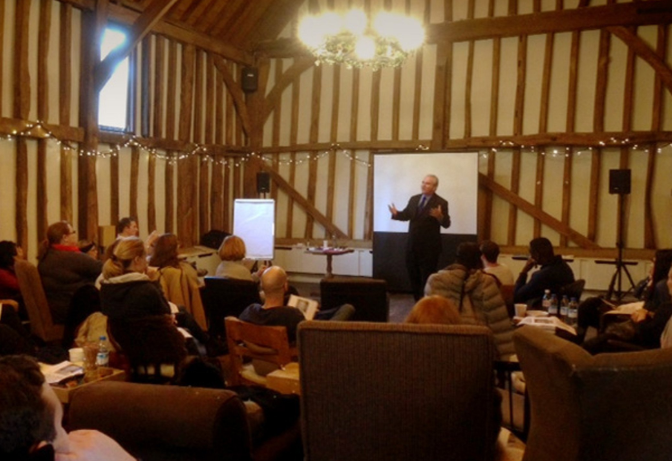
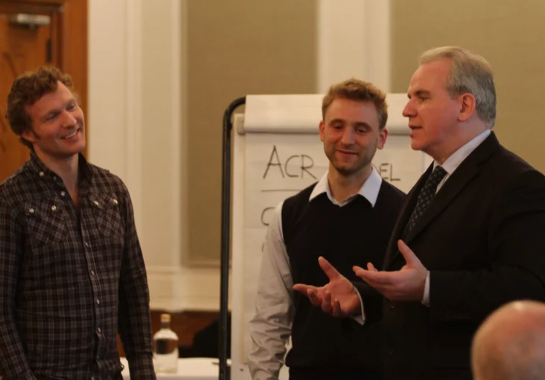
An interactive mentalism workshop can combine entertainment with psychology, observation, communication, and problem solving. Instead of simply watching a performer, employees can participate in demonstrations and challenges.
This type of activity can create a shared experience while also providing opportunities to discuss how people interpret information and make decisions.
For companies looking for something different, unusual activities can make a weekend experience more memorable.
Problem-Solving Challenges
Problem solving is another excellent focus for team building weekends.
Give teams a challenge that does not have an immediately obvious solution. Employees must discuss possibilities, evaluate information, and decide how to proceed.
For example, teams could receive a fictional business problem with limited information. Their objective is to identify the problem, ask the right questions, and present a practical solution.
These challenges encourage employees to think beyond their usual roles.
They can also reveal different strengths within a team. One person might be good at organizing information, another might identify risks, while someone else may generate creative solutions.
Communication Activities
Communication should be an important part of team building weekends.
Employees can participate in exercises designed to demonstrate how easily information can become misunderstood.
One activity might require one person to describe an image or object while another person attempts to recreate it without seeing the original.
The result can demonstrate the importance of:
Clear instructions
Active listening
Asking questions
Confirming understanding
Avoiding assumptions
These lessons can then be connected to everyday workplace communication.
Leadership Development
Team building weekends can also be valuable for leadership development.
Instead of placing the same person in charge of every challenge, organizers can rotate leadership responsibilities.
One participant might lead the first challenge, while another leads the next.
This allows employees to experience different leadership styles and discover skills they may not normally use at work.
Leadership activities can focus on decision-making, delegation, communication, problem solving, and encouraging participation from others.
This can be particularly useful for organizations developing future managers and team leaders.
Team Building Weekends for Remote and Hybrid Teams
Remote and hybrid working arrangements can make relationship building more challenging.
Employees may communicate regularly through video calls and messaging platforms but have fewer opportunities for informal interaction.
For these teams, team building weekends can provide valuable face-to-face time.
A company could bring remote employees together for a weekend that combines workshops, social activities, meals, entertainment, and collaborative challenges.
The experience can help people put faces and personalities to names they may previously have known only through screens.
Balance Structured Activities With Free Time
One common mistake when organizing team building weekends is scheduling every minute.
Employees also need time to relax and socialize naturally.
A strong programme can include a combination of structured activities and free time.
For example:
Friday evening: Arrival, dinner, and informal socializing
Saturday morning: Communication or leadership workshop
Saturday afternoon: Team challenge or interactive activity
Saturday evening: Group dinner and entertainment
Sunday morning: Reflection, final activity, and departure
The exact schedule can be adapted according to the group.
The important thing is to avoid making the weekend feel like another workday.
Making Team Building Weekends Inclusive
Not everyone enjoys the same activities.
When planning team building weekends, consider different personalities, physical abilities, interests, and comfort levels.
A programme should not depend entirely on intense physical competition.
Include a mixture of activities so that different people can contribute in different ways.
Someone who does not enjoy physical challenges may excel at a mentalism exercise, puzzle, strategy challenge, or creative task.
Inclusive activities allow more employees to participate meaningfully.
Team Building Weekends and Workplace Culture
The benefits of team building weekends can continue after the event.
Shared experiences can create stories and memories that employees refer to later.
A successful challenge might become an inside joke. A difficult problem-solving exercise might give a team a new way to think about collaboration. A communication activity might change how employees approach meetings.
The key is to connect the weekend experience to everyday workplace behavior.
After each activity, organizers can ask:
What did we learn?
What worked well?
What caused problems?
How did we communicate?
Who took leadership?
How can we apply this at work?
These conversations help turn an enjoyable experience into meaningful learning.
How to Choose Activities for Team Building Weekends
When planning team building weekends, consider the following:
Group Size
A small group can participate in highly interactive activities, while a large group may need to be divided into smaller teams.
Objectives
Choose activities based on what you want employees to develop.
Location
The venue can influence whether activities are indoor, outdoor, virtual, or a combination.
Duration
Avoid scheduling too many demanding activities. Give employees enough time to rest and socialize.
Personality and Culture
Consider whether your team prefers competition, creativity, problem solving, entertainment, or relaxed social experiences.
Final Thoughts
Team building weekends can be much more than a company getaway. When carefully designed, they can become opportunities for employees to improve communication, strengthen relationships, develop leadership skills, and experience new ways of working together.
The strongest programmes combine purposeful activities with enough free time for genuine connection.
From mentalism and problem-solving challenges to leadership workshops and creative team exercises, there are many ways to make team building weekends engaging and memorable.
For organizations planning their next corporate retreat or team experience, the goal should not simply be to keep employees busy. The goal should be to create shared experiences that help people communicate better, understand one another, and return to work as a stronger team.