

Most common cold reads: how they work, why they work, and how to spot them
Most common cold reads: how they work, why they work, and how to spot them
Cold reading has fascinated people for decades. It appears in psychic readings, mentalism, sales conversations, job interviews, dating, and everyday persuasion. Most people have encountered it without realising it.
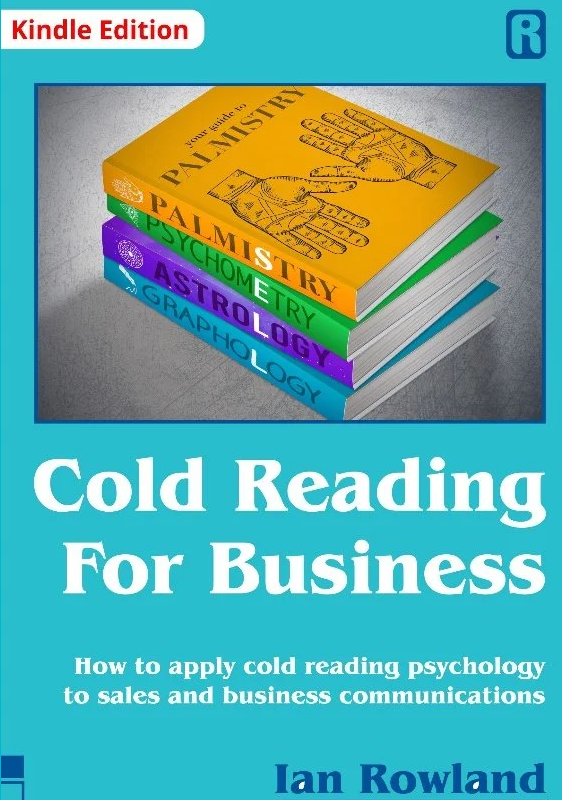
In this article, we will break down the Most common cold reads, explain how they function psychologically, and show you how to recognise them in real-world situations.
This guide is written for curious readers, professionals, and anyone who wants to better understand human communication.
What is cold reading?
Cold reading is the skill of making statements that feel personally accurate without having prior knowledge about the individual. It relies on probability, psychology, language patterns, and human cooperation rather than supernatural ability.
It works because people naturally want to feel understood, and they actively help statements feel true once they resonate even slightly.
Most common cold reads you will encounter
Below are the techniques that appear most frequently across psychic readings, sales conversations, coaching sessions, and social interactions.

1. Barnum or Forer statements
These are statements that sound personal but apply to most people.
Examples:
“You are more sensitive than you let on.”
“You sometimes doubt yourself, even though others see you as capable.”
They work because almost everyone recognises themselves in these descriptions.
2. The rainbow ruse
This technique includes both sides of a personality trait in one sentence.
Example:
“You can be confident and decisive, but there are times when you prefer to step back and think things through.”
No matter how the listener responds, the statement feels accurate.
3. Shotgunning
Shotgunning involves offering multiple possibilities quickly and letting the listener select the hit.
Example:
“I’m sensing a connection to someone with a name beginning with J, M, or S, possibly family or a close friend.”
The listener does the sorting, while the reader takes credit for the match.
4. The fallback statement
When a guess misses, it is instantly reframed.
Example:
“This may not be a brother exactly, but a brother-like figure or someone who feels like family.”
This keeps the reading on track without losing credibility.
5. Warm reading
Warm reading uses high-probability assumptions based on age, location, or social norms.
Example:
“You’ve recently been thinking about changes in your work or finances.”
In modern life, this is statistically safe and emotionally relatable.
6. Guesser statements
These statements are intentionally vague and invite the listener to supply details.
Example:
“I’m picking up on an emotional situation from earlier this year.”
The listener fills in the meaning, making it feel specific.

7. Double-headed statements
These frame a quality as both strength and weakness.
Example:
“You care deeply about others, sometimes to the point where it costs you emotionally.”
This feels insightful while remaining universally applicable.
8. Self-fulfilling predictions
Predictions framed so they influence behaviour.
Example:
“Over the next few months, you’ll become clearer about a decision you’ve been avoiding.”
Reflection alone makes the prediction come true.
Why the Most common cold reads are so effective
Cold reading succeeds because of:
Confirmation bias
Selective memory
Emotional validation
The human desire for meaning
Cooperative interpretation
People remember the hits, forget the misses, and unconsciously adjust interpretations to fit their own lives.
How to spot cold reading in everyday life
You are likely encountering cold reading if:
Statements are flattering but vague
You are doing most of the interpreting
Misses are reframed instantly
Language feels personal without details
The speaker never commits to specifics
Once you see the patterns, they become obvious.
Ethical note
Cold reading itself is not inherently bad. It is a communication skill. The ethical line is crossed when it is used deceptively, manipulatively, or to exploit vulnerable people.
Used honestly, the same techniques can improve rapport, listening, coaching, and communication.

Final thoughts
Understanding the Most common cold reads does not make life less magical. It makes conversations clearer, fairer, and more empowering.
When you know how these techniques work, you gain choice. You can enjoy them as entertainment, use them ethically, or recognise when someone is using them on you.
And that awareness is a powerful thing.