

How to Cold Read Someone: A Practical Guide to Mastering the Art
If you’ve ever seen a psychic, mentalist, or fortune teller at work, you’ve probably wondered how they seem to know so much about a stranger. The secret is not supernatural it’s a communication skill. Learning how to cold read someone is about understanding psychology, observation, and language patterns.
This guide will show you step by step how to cold read someone, explain the techniques behind the skill, and highlight ethical ways to use it in everyday life.
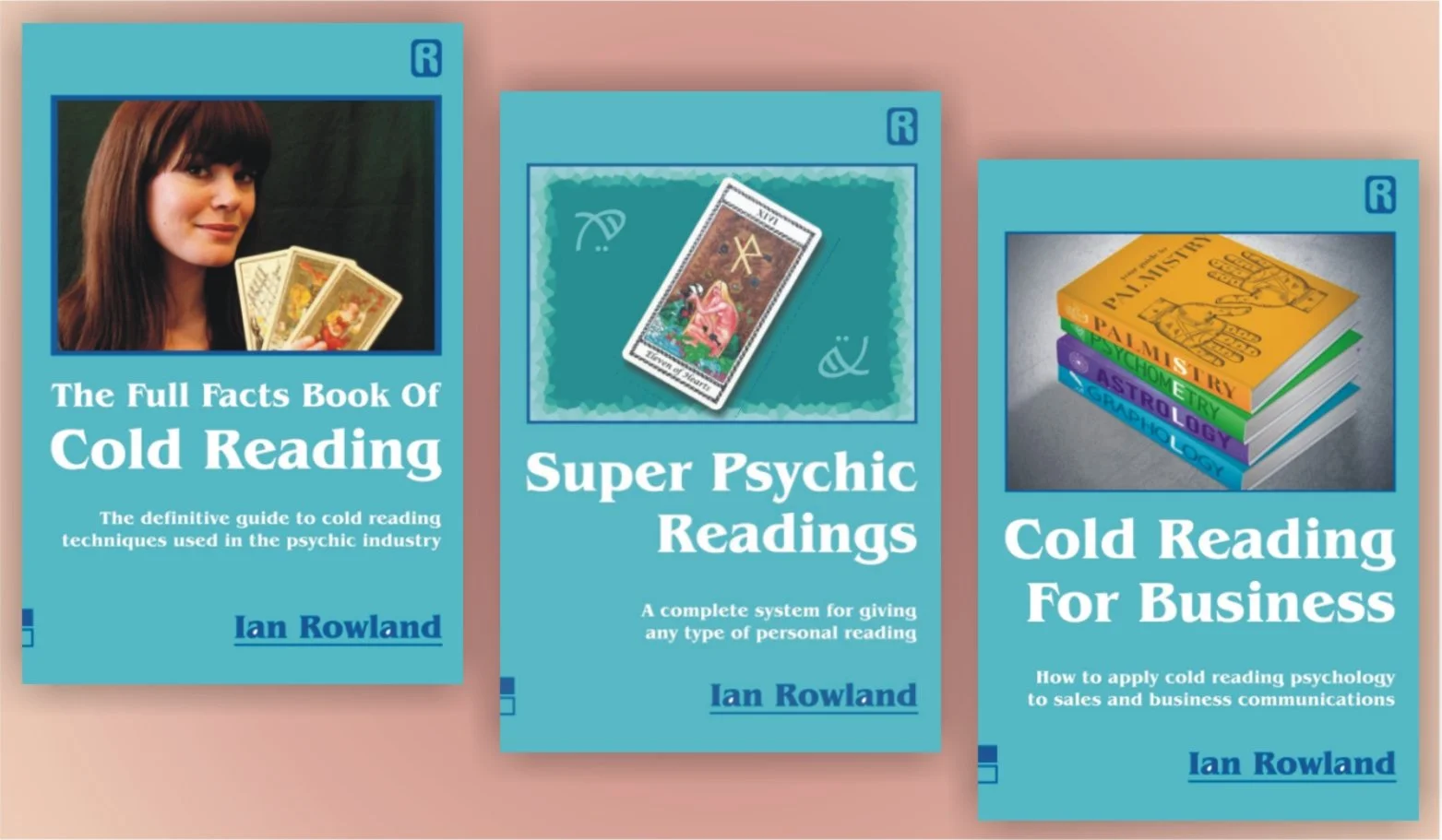
What Does It Mean to Cold Read?
Before diving into how to cold read someone, it helps to define the term. Cold reading is a technique that creates the illusion of insight. By making general yet relatable statements, and by picking up on small cues, you can make another person feel understood even without prior knowledge about them.
When you learn how to cold read someone, you’re really learning how people interpret vague statements as personal truths, thanks to psychological effects like the Forer effect and confirmation bias.
Step 1: Observation
The first step in learning how to cold read someone is careful observation. Pay attention to:
Appearance. Clothing, accessories, and grooming choices often reflect lifestyle or profession.
Body language. Posture, gestures, and facial expressions give subtle clues.
Tone of voice. Energy, speed, and word choice reveal personality.
Observation alone provides dozens of entry points when figuring out how to cold read someone.
Step 2: Use Classic Cold Reading Techniques
When practicing how to cold read someone, start with proven techniques:

Barnum Statements. Broad but flattering lines like, “You want to be liked, but sometimes you enjoy time alone.”
Rainbow Ruse. Covering both sides of a trait: “You can be confident in some situations, but reserved in others.”
Fuzzy Facts. Likely true statements such as, “You’ve been under stress recently.”
Age-Based Reads. Predictable insights tied to life stages, e.g., “When you were younger, you sometimes worried about fitting in.”
These are the foundation for anyone learning how to cold read someone.
Step 3: Listen and Adapt
One of the most important parts of how to cold read someone is feedback. Watch how people respond verbally and physically. If they lean in or nod, keep going down that path. If they seem confused, adjust your approach.
The trick in learning how to cold read someone is making your guesses sound like insights, and then letting the other person fill in the details that make them feel true.
Step 4: Build Rapport
Cold reading isn’t just about statements it’s about connection. To master how to cold read someone, mirror their tone, energy, and pace. Subtle rapport-building makes your insights land more powerfully.
Remember, people respond best when they feel seen and heard. Rapport is what makes how to cold read someone effective rather than mechanical.
Step 5: Practice in Safe Situations
The best way to learn how to cold read someone is practice. Start in casual conversations with friends or colleagues. Use simple Barnum statements and watch their reactions. The more you practice, the more confident and natural your delivery will become.
Low-stakes environments help you refine your skill without pressure. Over time, you’ll find how to cold read someone feels less like a trick and more like a natural way of connecting.
Ethical Use of Cold Reading
When exploring how to cold read someone, it’s important to use the skill ethically. Some people use cold reading to pose as psychics and exploit others. But cold reading can also be used for positive purposes building rapport in sales, improving communication, or making new connections easier.
The ethical approach to how to cold read someone is to use it as a tool for empathy and understanding, not manipulation.
Learning how to cold read someone isn’t about trickery it’s about people. By combining observation, psychology, and language, you can make anyone feel understood.
Whether you want to apply it in entertainment, business, or daily life, the steps are the same: observe carefully, use classic techniques, adapt to feedback, and build rapport. With practice, you’ll find that mastering how to cold read someone unlocks not only a fascinating skill but also a deeper appreciation for the subtle ways humans connect.