

Communication Skills Training: The Half Everyone Skips
Communication Skills Training: The Skill Behind Every Other Skill
Almost every problem inside a business turns out, on closer inspection, to be a communication problem. A deal falls through because nobody asked the right question. A project stalls because two teams assumed the other one understood. A talented person leaves because a manager never really listened. This is why communication skills training has quietly become one of the highest-return investments a company can make it works on the one skill that sits underneath all the others.

Yet it's also one of the most misunderstood. People tend to imagine it as a day of presentation tips: stand like this, project your voice, use three bullet points per slide. That's a small and slightly dated corner of a much bigger subject. Real communication is about connection, clarity and trust and those can be taught far more reliably than most people expect.
In this article we'll look at what genuinely effective training in this area involves, why it matters more than ever, and how to tell a programme that changes behaviour from one that simply fills a day.
Why Communication Skills Training Matters More Than Ever
The way we work has changed faster than our ability to communicate within it. Teams are hybrid and often spread across time zones. A large share of our conversations now happen over screens, in chat windows and in email threads where tone is easily lost. In that environment, the cost of poor communication has gone up, not down.
At the same time, most people have never been formally taught to communicate at all. We're taught to read, write and calculate; we're rarely taught to listen, to read a room, or to say a difficult thing well. The right training fills that gap. It takes something we all do instinctively and often badly and turns it into a deliberate, improvable skill.
The organisations that take this seriously notice the difference everywhere: in shorter meetings, cleaner handovers, calmer conflict and clients who stay. None of that is glamorous, but all of it shows up on the bottom line.
The Half of Communication Everyone Ignores
Here's the uncomfortable truth. Most communication skills training focuses on output — how you speak, present and pitch. But communication has two halves, and the speaking half is the one people already worry about. The half that quietly decides whether you connect with someone is the other one: reading the person in front of you and adjusting accordingly.
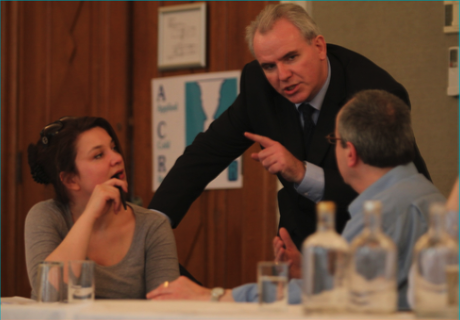
You can deliver a flawless message to the wrong person, at the wrong moment, in the wrong way and flawless won't save you. Good communication skills training starts by developing attention: noticing tone, pace, hesitation, and the word someone keeps returning to. This is the territory of cold reading psychology, which, used ethically, is simply a disciplined way of paying close attention and confirming what you notice. Applied to business, it's remarkably powerful and it's precisely the part that most courses skip.
What Effective Communication Skills Training Actually Develops
A strong programme is less about rules and more about habits. The best programmes build a handful of capabilities that compound over time:
Active listening – hearing what's meant, not just what's said, and letting people finish
Reading signals – picking up the emotional temperature of a conversation before it boils over
Questioning well – asking the question that opens a conversation rather than closes it
Clarity under pressure – getting to the point without losing warmth, especially in hard moments
Adapting in real time – changing your approach based on who you're actually talking to
Checking understanding – testing what you think you heard instead of assuming
Notice how little of that is about being more impressive. Effective communication rarely comes from talking more. It comes from perceiving more clearly and responding more thoughtfully.
Where Better Communication Pays Off
When a team genuinely improves at this, the returns show up across the whole business:
Sales – reps who read the real objection close more than reps who recite features.
Leadership – managers who notice what a team isn't saying keep good people engaged.
Negotiation – the person paying attention holds more information, and information is leverage.
Client relationships – people stay loyal to those who make them feel understood.
Internal collaboration – fewer crossed wires, less friction, faster decisions.
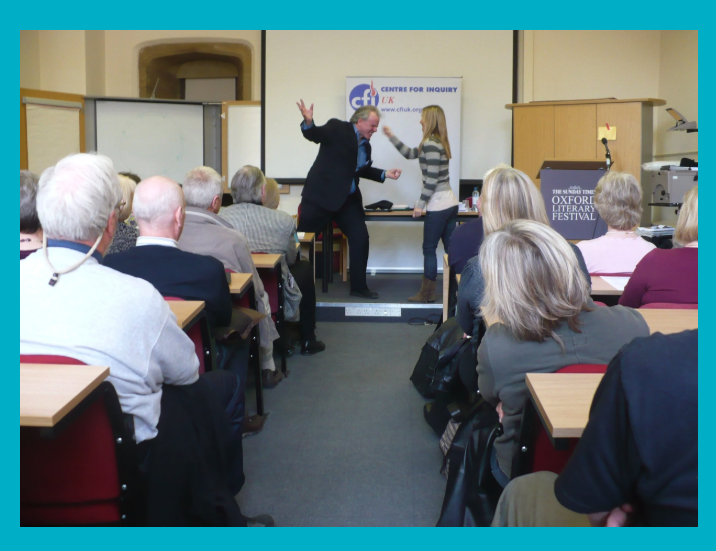
This is the quiet power of the work: it doesn't just make one department better, it lifts the connective tissue between all of them.
Communication Skills Training for Hybrid and Remote Teams
Distributed teams need this even more than office-based ones. When colleagues rarely share a room, small misreadings accumulate. A blunt message lands harder. A moment of humour gets lost. Silence gets misread as disinterest.
Well-designed communication skills training gives remote and hybrid teams a shared language for how they talk to each other when to pick up the phone rather than type, how to write with tone in mind, how to check understanding across a screen. Those habits close the empathy gap that distance quietly opens.
How to Choose the Right Communication Skills Training
Not every course delivers. When you're comparing options, look for communication skills training that:
Spends real time on listening and observation, not just delivery and slides
Uses live, interactive practice so people rehearse rather than just take notes
Is led by someone with genuine, real-world experience in persuasion and human behaviour
Gives specific, personal feedback on how each participant actually comes across
Sends people away with habits they can use on Monday morning, not a binder they'll never open
A course that only polishes how people speak has done half the job. The half that changes outcomes is the one most providers leave out and it's the half worth paying for.
Who Benefits Most?
Almost anyone who communicates for a living, but the impact is sharpest for a few groups. This kind of training tends to transform:
Sales teams who need to read buyers, not just talk at them
Leaders and managers whose entire job is really a series of conversations
Client-facing professionals for whom trust is the actual product
Technical experts who know their subject deeply but struggle to connect with people
The Bottom Line
Communication isn't a broadcast; it's a two-way exchange, and the person paying closest attention usually comes out ahead. The most valuable communication skills training doesn't just make people better speakers it makes them better readers of the people they're speaking to, better listeners, and better at building the trust that every deal, decision and relationship depends on.
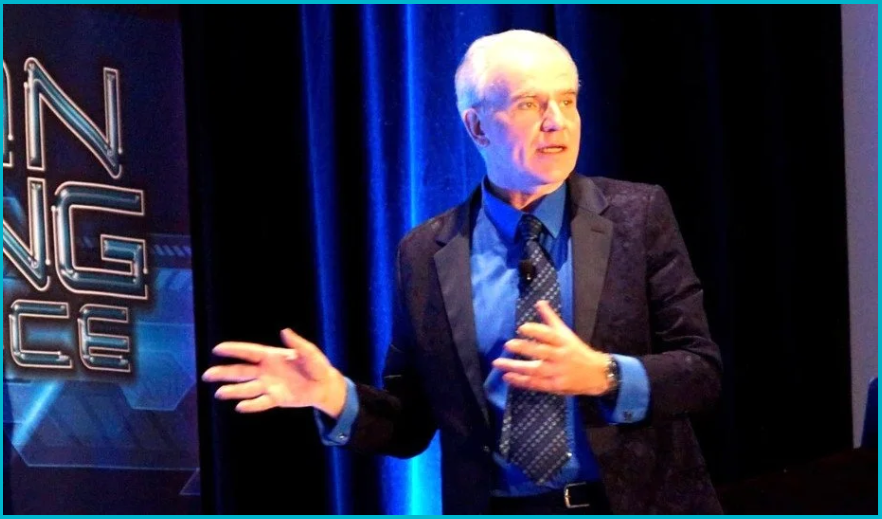
If almost every business problem is a communication problem, then improving how your people communicate is one of the smartest, highest-leverage moves you can make. Invest in proper communication skills training, and you're not fixing one thing you're improving the skill behind every other skill.
katrina kroetch