

Cold Reading Psychology: Watch a Reading Happen and See How Your Own Mind Fools You
Cold Reading Psychology: Watch a Reading Happen and See How Your Own Mind Fools You
I could explain cold reading psychology to you in the abstract. I have done so elsewhere. But there is a better way to understand it, and it is this. Let me show you a reading as it happens, one line at a time, and stop after each line to tell you what is really going on. By the end you will see the trick from the inside, and you will never sit through a reading the same way again.

Picture the scene. A reader, a quiet room, and a client who has come hoping to hear something true. The reader has never met this person and knows nothing about them. Watch closely.
Line one: "I sense you've been carrying more than you let on."
A lovely opening, and notice what it does. It is true of practically everyone who would ever book a reading, because people who feel entirely carefree do not tend to come. But it does not feel general. It feels seen. The client thinks of the thing they have indeed been carrying, supplies it silently, and credits the reader with having noticed.
That is the heartbeat of cold reading psychology in a single line. The reader offered an empty frame. The client filled it, and then thanked the reader for the contents.
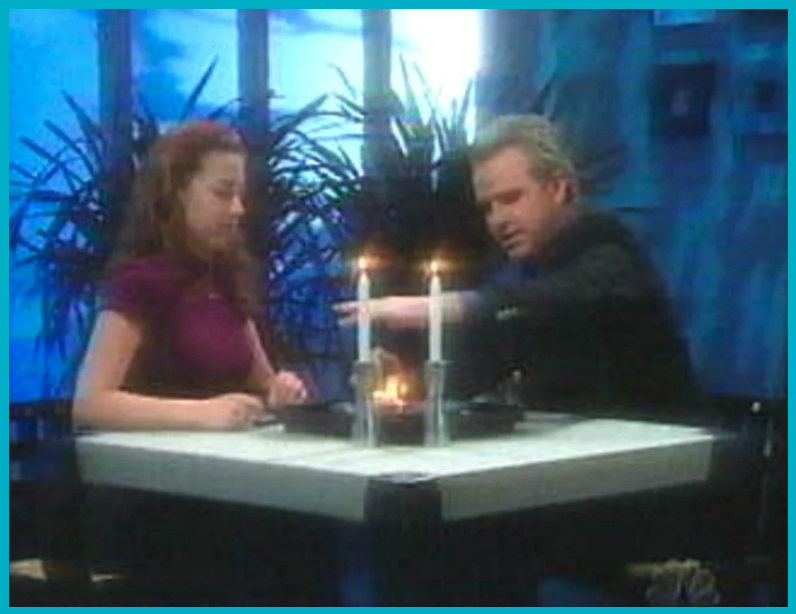
Line two: "There's a decision you keep circling back to."
Again, who is not? Most of us have some decision in play at any given moment, a job, a relationship, a move, a worry we keep prodding like a sore tooth. The statement names no decision at all. It does not need to. The client's mind rushes to the one that fits, and the vaguer the statement, the more precisely it seems to land.
Watch what the reader is not doing. They are not guessing your secrets. They are handing you a shape and letting you pour your own life into it.
Line three: "I feel a strong connection to someone who's no longer around."
Here the reader takes a small, safe gamble. Almost everyone has lost someone, or knows someone who has, or is quietly worried about someone's health. If it lands, the reader looks profound. If it misses, the client simply says "not that I know of," and the line is forgotten by both of them within seconds.
This is the part of cold reading psychology that people find hardest to accept about themselves. We do not keep score. The hits are remembered as miracles. The misses evaporate. By the end of the reading the client honestly believes the reader was right about "everything," when in truth they were right about the handful of things that stuck.
Line four: "You're more sensitive than people give you credit for."
A small gift, this one. It flatters. Nobody wishes to think of themselves as thick-skinned and oblivious, so the client accepts it warmly, and warmth is exactly what the reader wants. A client who feels understood and quietly complimented stops testing and starts agreeing. The reading gets easier with every line, not because the reader improves, but because the client has begun to do the work willingly.

The moment it all turns over
Somewhere around here, something quietly flips. In the first minute the client was the audience and the reader was performing. By now the roles have swapped. The client is doing the performing, the remembering, the connecting, the believing, and the reader merely nudges and nods.
That is the whole of cold reading psychology, really. It is not a transfer of secret knowledge from reader to client. It is a slow, gentle handover of effort in the opposite direction, from client to reader, until the client is generating the very revelations they then find so impressive.
So who was actually reading whom?
Step back and look at what happened. The reader supplied vague, safe, flattering frames. The client supplied the specifics, ignored the misses, remembered the hits, and left convinced of something remarkable.
I want to be careful here, because this is where people leap to the wrong conclusion. None of this makes the client a fool. The instincts on display, finding meaning, completing patterns, filling gaps, are the same instincts that make us clever, creative and good company. Cold reading psychology does not exploit a defect. It borrows a strength and points it somewhere convenient.
And that, finally, is why it matters who uses it and how. The same gentle handover of effort that produces a harmless, even comforting, reading can be turned on the grieving and the frightened to take their money and their trust. That is the practice that has rightly earned cold reading its bad name, and I have no time for it. Understood honestly, though, cold reading psychology is simply a clear-eyed look at how human beings make meaning, and a reminder to hold our own certainties a little more lightly.

So watch yourself the next time someone seems to know you at a glance. Ask the single question that dissolves the magic. Who is really doing the work here? Nine times out of ten, the answer is you, and that is far more interesting than any ghost.